Receive the Instruction
Hear
Begin with the Father's Word. Listen before assuming. Read carefully and learn what has been entrusted, what has been commanded, and what is required of the one charged with its care.
A Living Covenant Gathering
Hear the Word. Examine It. Walk It Out.
A recurring gathering for Torah study, weekly Parashah, fellowship, disciplined discussion, questions, and practical application as we learn to walk faithfully in Covenant.

The Purpose of the Walk
Walking the Covenant is the continuing work of becoming a faithful steward and trustee of everything the Father has entrusted to us. We study His Word not merely to accumulate knowledge, but to understand how we are to faithfully administer what belongs to Him and has been placed into our care.
The Stewardship Principle
We study so we can walk faithfully. We walk faithfully so we can steward well. We steward well so that when our stewardship is examined, we may be found faithful.
Receive the Instruction
Begin with the Father's Word. Listen before assuming. Read carefully and learn what has been entrusted, what has been commanded, and what is required of the one charged with its care.
Gain Understanding
Examine the Covenant, the relationships it creates, the duties it establishes, and the principles that govern faithful administration. Knowledge becomes useful when we understand what it requires of us.
Faithful Administration
Put the instruction into administration. How we handle relationships, property, time, obligations, authority, decisions, and resources reveals whether we are faithfully caring for what has been entrusted.
The Accounting
A trustee knows there will be an accounting. The object is not simply to possess what was entrusted, but to administer it faithfully so that the record of our stewardship bears witness to whom we served.
The Trust Before Us
The Measure of the Walk
Walking the Covenant is preparation for faithful administration. We learn the Father's instruction, examine ourselves by it, and practice stewardship with the understanding that what has been entrusted to us is not ultimately ours. The steward is accountable to the One to whom it belongs.
“Well done, good and faithful servant.”
Gather According to the Appointed Rhythm
Walking the Covenant gathers according to the Lunar Shabbat rhythm for weekly Parashah study, fellowship, discussion, and practical application. This calendar is being developed as the central place to find the next gathering, weekly readings, and upcoming Lunar Shabbat schedule.
Next Lunar Shabbat
Date To Be Confirmed
Weekly Parashah
Weekly Parashah Teacher
Teacher • Author • Guide
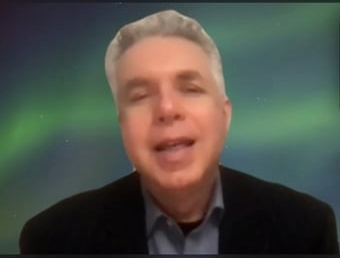
Rabbi Jacob is a teacher and leader in the areas of Torah, Covenant, stewardship, trust administration, and Kingdom governance. His weekly teaching connects the Parashah with the practical responsibilities of faithful stewardship—helping us examine how the Father's instruction is to be understood, administered, and walked.
Active Calendar Integration
The calendar framework is ready. Once Rabbi Jacob confirms the Lunar Shabbat calendar source and reckoning used for the gathering, the dates and weekly Parashah information can be connected here without redesigning this section.
Looking Ahead
Schedule Pending
Weekly Parashah
5:00 PM Eastern
Schedule Pending
Weekly Parashah
5:00 PM Eastern
Schedule Pending
Weekly Parashah
5:00 PM Eastern
Schedule Pending
Weekly Parashah
5:00 PM Eastern
Weekly Parashah Teaching
Walking the Covenant brings together the BulletProof Solutions community and Rabbi Jacob's weekly Torah teaching through the University of Torah.
University of Torah
Teacher • Author • Guide
Rabbi Jacob teaches Torah through the lens of Covenant, stewardship, Kingdom governance, inheritance, responsibility, and legacy. His weekly Parashah teaching helps students examine the Father's instruction and consider how the principles revealed in Scripture should shape relationships, decisions, responsibilities, self-governance, and the daily walk of a faithful steward.
Walking the Covenant brings the weekly Parashah into a living conversation about faithfulness, responsibility, stewardship, and the daily work of walking according to the Father's instruction.

From Hearing to Living
The weekly Parashah gives us more than something to read. It gives us an opportunity to discover the Father's order, examine the relationships and responsibilities established by Covenant, and ask how that understanding should shape the way we actually live.
The Instruction
We begin with the Father's instruction. The text establishes the foundation from which the relationships, duties, principles, and questions of the weekly study emerge.
The Relationship
Covenant reveals relationship—who the parties are, what has been promised, what has been entrusted, and the faithfulness expected within that relationship.
The Order
We examine the principles of right relationship, authority, duty, accountability, justice, mercy, judgment, and order revealed throughout the text.
The Responsibility
Understanding creates responsibility. We ask what has been placed into our care and what faithfulness requires of us as stewards before the One who entrusted it.
The Evidence
The final evidence is our conduct. What we understand becomes visible through our decisions, relationships, priorities, responsibilities, and the way we live each day.
The Study Rhythm
Walking the Covenant
The purpose of studying the Father's instruction is not merely to know what is written, but to become the kind of steward whose life demonstrates that he heard, understood, and faithfully walked what was entrusted to him.
Between the Gatherings
Lunar Shabbat gives us a time to gather and examine the Word together. But Walking the Covenant happens in the days between the gatherings. This is where understanding encounters our actual relationships, decisions, responsibilities, and the things the Father has placed into our care.
A Weekly Practice
Leave each gathering with more than notes. Leave with something to examine, something to steward, and something to walk.
Examine
What instruction became clearer? What principle did I see that I had not previously understood? What assumption was challenged? What did the text reveal about the Father's order, His expectations, or my own conduct?
Steward
Where does this portion touch something presently in my care? Consider your relationships, responsibilities, resources, time, influence, decisions, commitments, and opportunities. What are you responsible for stewarding faithfully?
Walk
What does faithfulness require now? Identify the decision, conversation, correction, discipline, act of service, or change in conduct that puts what you have learned into practice before the next gathering.
Examine Your Stewardship
Walking the Covenant
We return to the Word, examine ourselves, make the necessary corrections, practice what we have learned, and return again ready to grow. In this way, Walking the Covenant becomes a continuing discipline of faithful stewardship.
Continue the Study
The gathering is one part of the walk. Between Lunar Shabbats, use the archive and related resources to revisit past teachings, continue examining the Word, and strengthen your understanding of Covenant, stewardship, and faithful living.
Listen Again
Revisit earlier Walking the Covenant calls, weekly Parashah discussions, questions, fellowship, and study from previous gatherings.
Read the Portion
Use the weekly portion as the starting point for your own reading and reflection before the next Lunar Shabbat gathering.
Study Deeper
Continue exploring Covenant, stewardship, Biblical jurisprudence, responsibility, and set-apart living through the growing BulletProof Solutions article library.
Structured Study
When you are ready to move from weekly gathering into deeper structured education, continue into formal study of Covenant, stewardship, jurisprudence, Trust Estates, and related subjects.
Walking the Covenant Archive
The recordings below preserve previous Walking the Covenant gatherings so you can return to earlier Parashah studies, questions, discussions, and fellowship. Use them as a continuing study resource rather than treating each gathering as something that disappears when the week ends.
The recordings preserve previous Walking the Covenant gatherings so you can return to earlier Parashah studies, questions, discussions, fellowship, and practical application. The gathering may end. The study does not.
Return to the Word, the discussion, and the questions raised during each gathering.
Examine the Covenant relationships, duties, responsibilities, and principles revealed in the study.
Carry what has been learned into stewardship, administration, conduct, and daily life.
Recorded Gatherings
Browse the complete archive below. Each recording remains available as part of the continuing study so earlier teachings can be revisited as your understanding develops.
Walking the Covenant is not finished when the teaching ends. The purpose of the gathering is to help us hear more carefully, understand more faithfully, and carry the Father's instruction into the relationships, responsibilities, decisions, and stewardship placed into our care.
Return to the Word. Examine yourself by it. Make the necessary corrections. Then walk what you have learned.
Gather Again
Return for the next weekly Parashah study, fellowship, discussion, questions, and practical application as the community continues learning to walk faithfully in Covenant.
See the Next Gathering →Continue Studying
Revisit earlier teachings, discussions, and questions. The archive remains available so understanding can deepen over time rather than disappearing when a gathering ends.
Browse the Archive →Stay Connected
Stay connected between gatherings for announcements, Torah discussion, study resources, reminders, fellowship, and continuing conversation around faithful stewardship.
Join the Community →Walking the Covenant
We return again and again to the Father's instruction, not merely to know what is written, but to become faithful stewards whose lives bear witness that we heard, understood, and walked what was entrusted to us.